• Home
  • About Us
  • Warranty
  • Gallery
    • Mirror Doors and Walls Gallery
    • Aluminum Dividers Gallery
    • Shower Doors & Enclosures
    • Sliding Tub Doors Gallery
  • Blog
  • Contact Us
  • Privacy Policy

Keystone Home Products

Aluminum sliding dividers, closet organizers, frameless shower doors, closet doors, sliding doors, mirror walls, shower doors & enclosures in Toronto, Brampton, Mississauga

  • Glass & Mirror
  • Mirror Doors & Walls
  • Panel Doors
  • Aluminum Dividers
  • Glass Shower Doors
    • Shower Doors
    • Shower Enclosures
  • Wood Shelving
    • Closet Organizers
  • Wire Shelving
  • Privacy Policy
  • Frameless Shower Doors
  • Closet Organizers

Mirrored Closet Doors: Upgrade Your Home In One Weekend

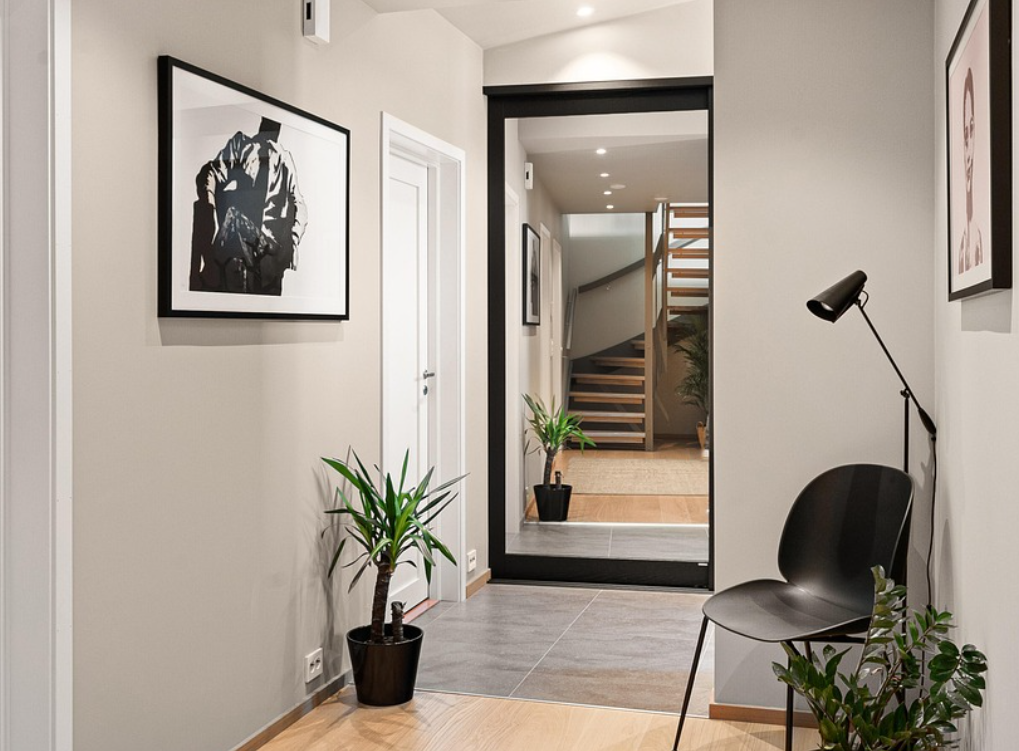
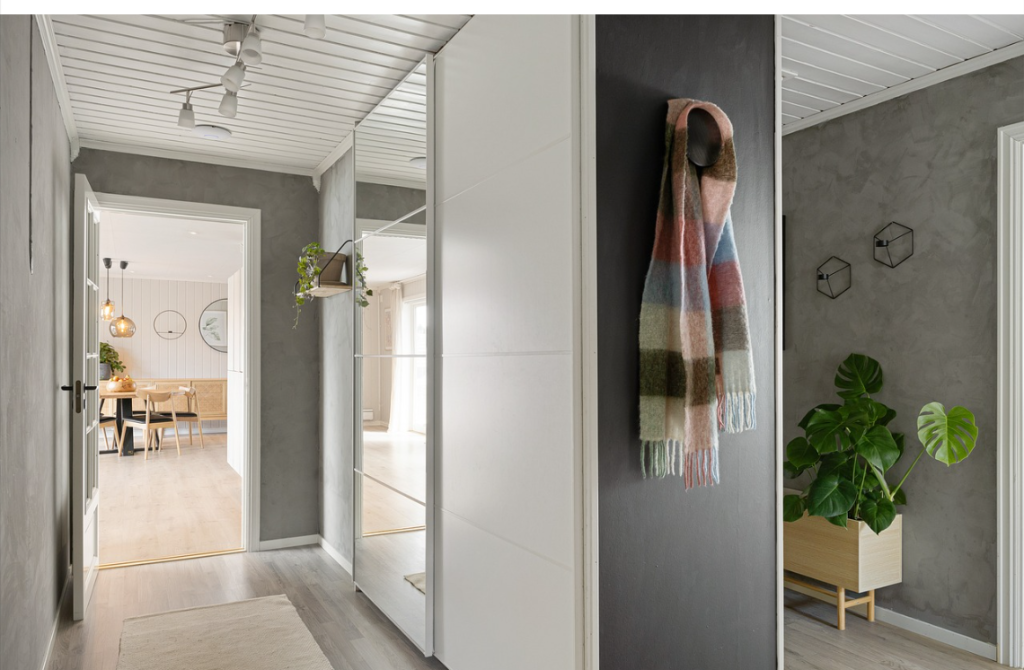
mirror hallway

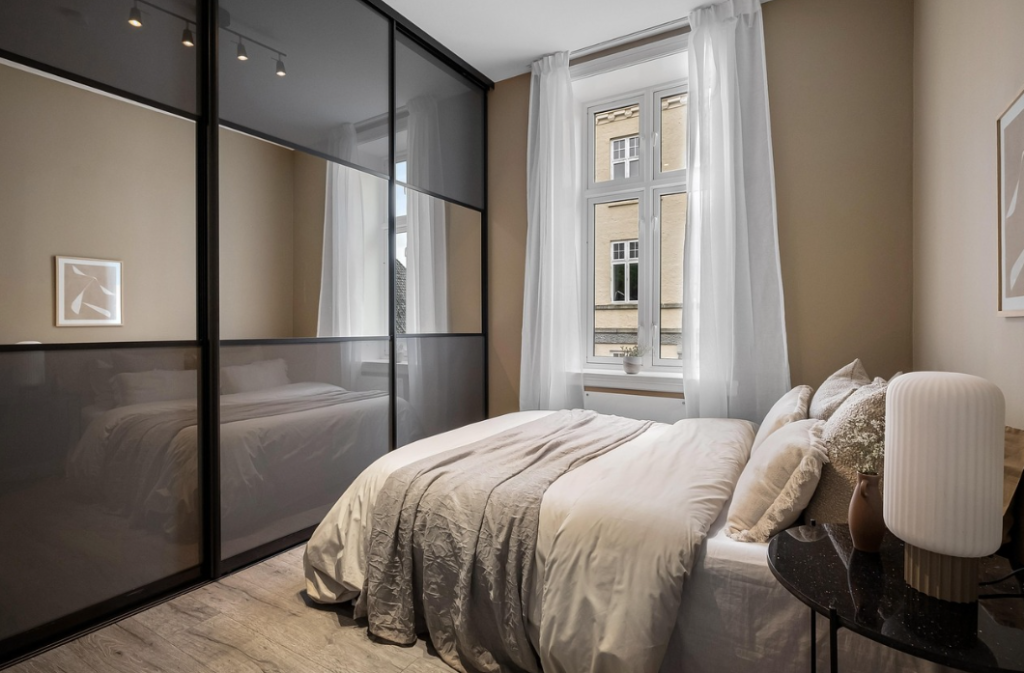
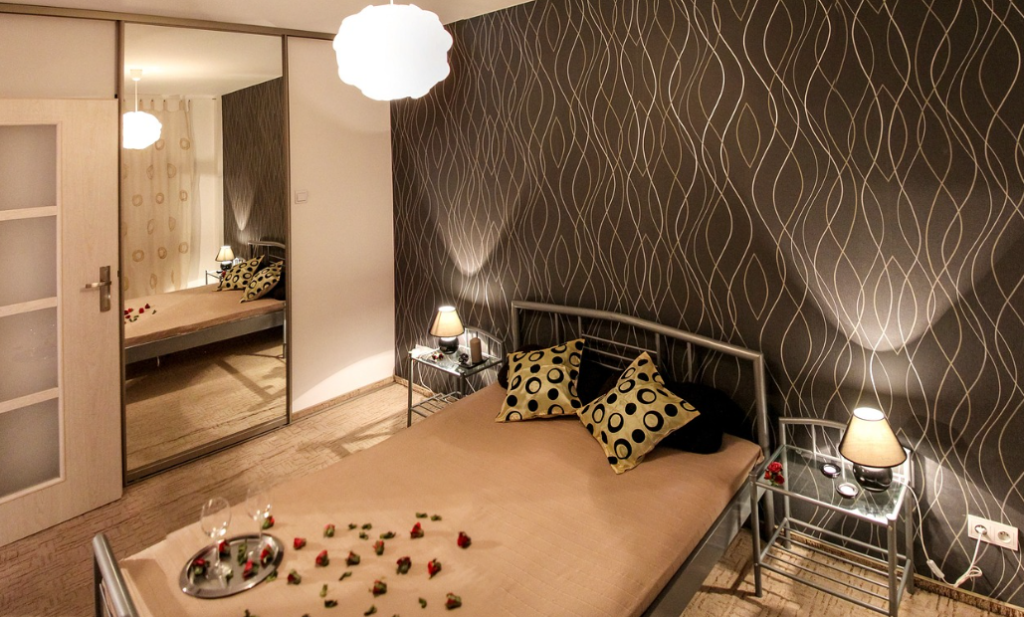
Swapping old closet doors for mirrored ones is one of the fastest ways to upgrade a Toronto home. In a single weekend, you can add full‑length mirrors, brighten a room, and make small spaces feel larger without changing any walls. For bedrooms, hallways, and entry closets, mirror doors deliver both style and function with surprisingly little disruption.

How Mirrored Doors Change A Room

Mirrored closet doors do more than provide a place to check your outfit. They:

  • Reflect natural and artificial light, making rooms feel brighter.
  • Create a sense of extra depth in small bedrooms and condos.
  • Reduce the need for separate standing mirrors that take up floor space.

In Toronto homes where square footage is tight, this extra visual space and light makes rooms feel less cramped and more comfortable.

Style Options That Work With Existing Décor

Modern mirror closet doors come in several styles, so you can match them to the rest of your home:

  • Framed sliding doors
    Slim metal or wood frames around the mirror panels give a clean, contemporary look and work well in bedrooms and hallways.
  • Frameless or minimal frame doors
    Nearly edge‑to‑edge glass creates a sleek, modern feel that suits condos and renovated spaces.
  • Panelled or divided mirrors
    Subtle horizontal or vertical divisions can echo window patterns or add visual interest without feeling busy.

Choosing the right frame color also helps tie doors into existing trim, flooring, and hardware.

Practical Benefits For Everyday Use

Beyond appearance, mirrored closet doors add everyday convenience:

  • Full‑length viewing for clothing and shoes without adding extra furniture.
  • Easy cleaning compared to textured or heavily detailed doors.
  • Sliding options that save floor space where swinging doors get in the way.

They are especially useful in narrow rooms, where door swings and free‑standing mirrors would make layout more awkward.

A Weekend‑Scale Upgrade

Replacing closet doors is usually a short, contained project:

  • Old hollow core or dated panel doors are removed.
  • Tracks or hinges are updated as needed for the new mirror units.
  • New doors are installed and adjusted for smooth operation.

Most homeowners can fit this work into a weekend window, making it a realistic upgrade even in busy households.

Why Work With Keystone Home Products

To get mirror doors that feel solid and safe, it is important to choose quality glass and hardware and have everything measured correctly. Keystone Home Products can size mirror closet doors to your openings, recommend frame styles that suit your rooms, and install them so they slide or swing smoothly. For Toronto homeowners who want a noticeable improvement without a full renovation, mirror closet doors are an ideal “one weekend” project.

Closet Systems That Turn One Rod Into Real Storage Space

closet shelving

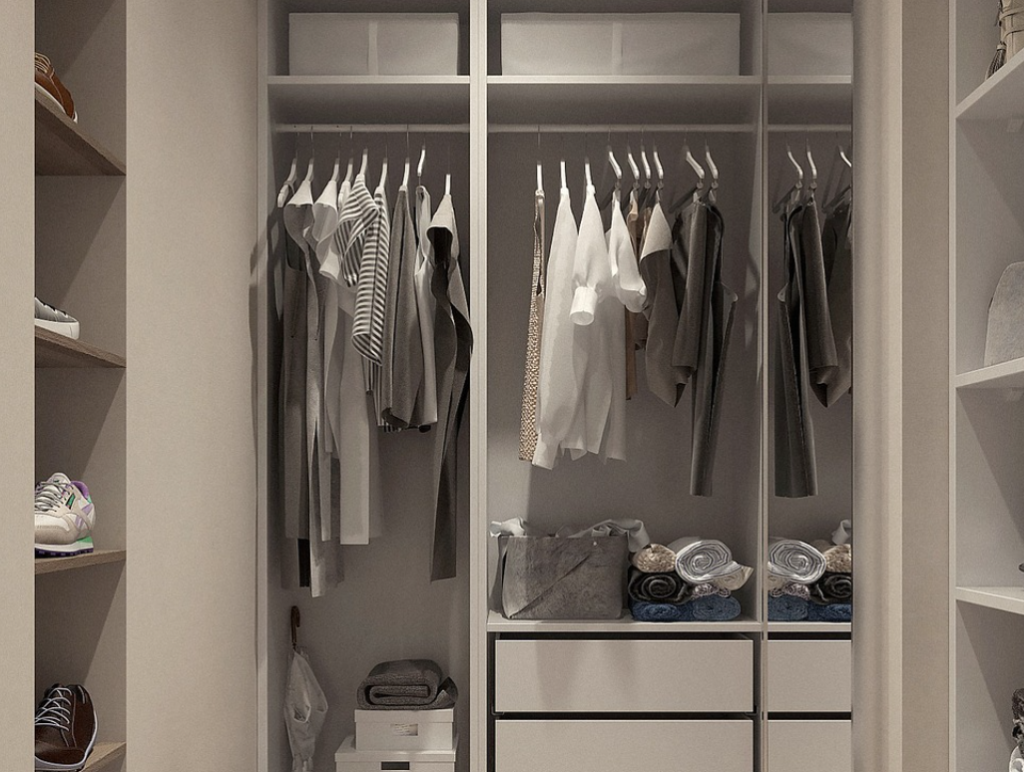
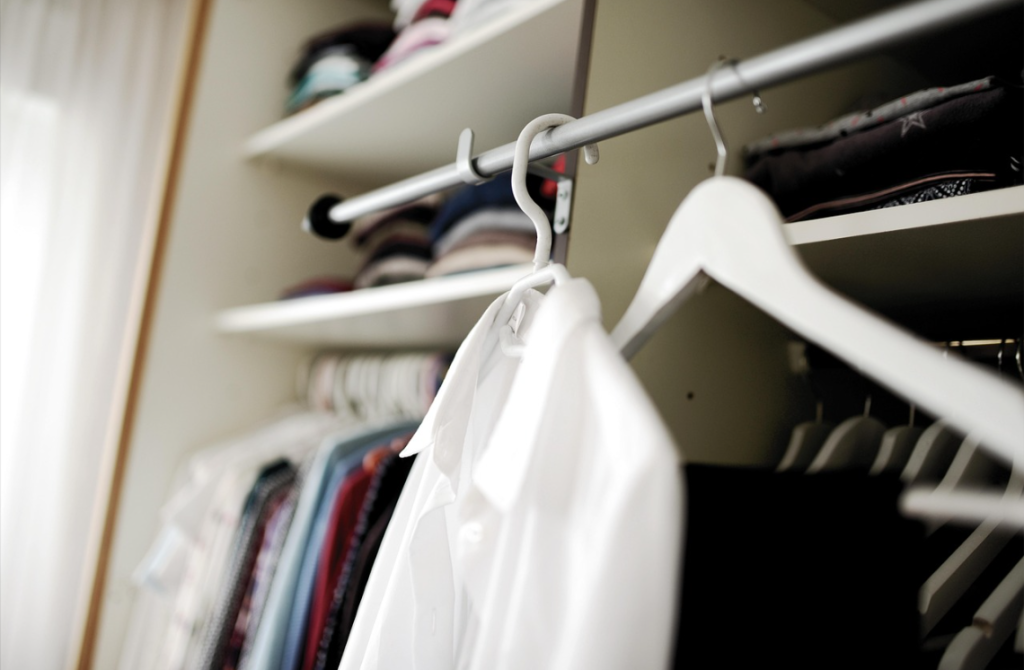
Many Toronto homes still rely on the classic “one rod and one shelf” closet. It looks simple, but it wastes a huge amount of vertical space and makes it hard to keep clothes and accessories under control. Custom closet shelving systems can turn that same footprint into real storage, without needing to knock down walls or buy a lot of extra furniture.

Why One Rod Closets Feel Impossible To Use

A single rod creates only one hanging level. Long items drag over shoes, and short items leave dead space underneath. The shelf above the rod usually becomes a hard‑to‑reach pile of bags and random items. The result is:

  • Crowded hangers that make it hard to see what you own.
  • Floors buried in shoes, bins, and laundry.
  • Wasted upper and lower space that could be doing more work.

Custom shelving breaks this pattern by dividing the height of the closet into usable zones.

Smart Ways To Add Shelving And Double Hanging

A well designed closet system often starts by adding:

  • Double hanging sections
    Two rods, one above the other, for shirts, blouses, jackets, and folded‑over pants. This instantly doubles hanging capacity where long dresses and coats are not needed.
  • Adjustable shelves
    Shelves for jeans, sweaters, bags, and baskets can be spaced as you like, then moved later as your wardrobe changes.
  • Shoe shelves or cubbies
    Low shelves or angled shoe racks keep footwear off the floor and visible, which makes getting ready faster and reduces clutter.

Even small reach‑in closets benefit from one double hanging section, a short stack of shelves, and a defined shoe zone.

Creating Zones So Everything Has A Home

Custom closet shelving is also about zoning. Good systems carve out:

  • Everyday zone
    Prime space for clothes you reach for all the time, right at eye level and within easy reach.
  • Seasonal zone
    Higher shelves for off‑season items, luggage, and rarely used pieces.
  • Accessory zone
    Narrow shelves, small cubbies, or pullouts for belts, scarves, hats, and jewelry, so they stop drifting around the house.

When every type of item has a specific place, closets are easier to keep organized. This setup helps people quickly return things to where they belong after using them. For example, if shoes have a particular shelf, accessories are in a certain bin, and seasonal clothes are stored in a designated area, it’s much simpler to maintain order.

Adding visual aids, like labels or color-coded containers, can make finding things even easier. Overall, a well-organized closet not only saves time but also reduces stress, making daily routines simpler and more enjoyable.

Why Work With Keystone Home Products

Trying to build a closet system from random parts can lead to wobbling shelves and wasted effort. Keystone Home Products can measure your existing closets, design custom shelving that fits the space and your wardrobe, and install sturdy systems that make one‑rod closets feel like real storage rooms. With the right layout, even small Toronto closets can handle everyday clothing, shoes, and accessories without constant frustration.

How Do I Choose The Right Mirror Door?

room with mirror doors

Choosing the right mirror door is about more than just “mirror or no mirror.” For most Keystone customers, the best choice balances style, privacy, light, and how the door will actually function day to day.

Step 1: Decide Where The Mirror Door Will Go

Start with the room and how you use it. A bedroom, front entry, hallway, or closet each has different needs.

  • Bedrooms and closets: Full‑length mirrored sliding doors are great for getting dressed and making a smaller room feel larger.
  • Hallways and entries: Mirrored doors can bounce light and make tight spaces feel brighter, but you may want a more subtle or framed look for style.

Ask yourself: do you want a statement feature, or something that quietly blends in while adding function?

Step 2: Pick The Door Type (Sliding, Bifold, Or Hinge)

Different door types change both look and practicality.

  • Sliding mirror doors: Ideal for closets and tighter rooms where swinging doors would hit furniture; they give a clean, modern look and wide mirrored surface.
  • Bifold mirror doors: Good when you need more access to the opening at once and still want mirrors, often used in reach‑in closets.
  • Hinged mirror doors: Feel more like traditional doors and can suit walk‑in closets or entries where you want a furniture‑style appearance.

Think about how much clearance you have and how often you need full access to the space behind the door.

Step 3: Choose Mirror Style And Frame

Mirror doors can look sleek and minimal or more decorative, depending on the frame.

  • Frameless or minimal frame: Very modern and clean, great for contemporary interiors and smaller spaces where you want the mirror to visually “disappear.”
  • Slim aluminium or steel frames: Durable, neat, and available in various finishes to match hardware or trim.
  • Wider or decorative frames: Better if you want the doors to read like a design feature or piece of furniture.

Also consider mirror tint and finish:

  • Clear mirror: Maximum brightness and truest reflection.
  • Bronze or grey tint: Softer, moodier look and slightly more forgiving of fingerprints and smudges.
  • Safety/backing: Look for safety‑backed glass so the mirror is secure even if the door is bumped.

Step 4: Match The Mirror Door To Your Room Style

Your mirror door should work with the rest of the room, not fight it.

  • Modern/minimal homes: Large clear panels, slim metal frames, and sliding systems tend to fit best.
  • Transitional or classic spaces: Framed mirror doors, possible panel details, or pairing mirrors with matching trim work well.
  • Small or dark rooms: Larger mirror surfaces help bounce light and visually open the space.

Think about finishes that echo your existing hardware, flooring tone, or window frames so everything feels cohesive.

Step 5: Consider Practical Details (Cleaning, Privacy, And Wear)

Mirror doors are functional surfaces, so small details matter:

  • Fingerprints and smudges: If you have kids or pets, think about where hands will naturally touch and whether you want handles or pulls positioned to keep prints off the main viewing area.
  • Privacy: In bedrooms and shared spaces, consider what the mirror will reflect—beds, windows, or other doors—and whether you’re comfortable with that.
  • Durability: Look for quality tracks, rollers, and hardware so the doors glide smoothly and don’t rattle or stick over time.

A well‑built system feels solid and easy to use every day, which makes the mirror door feel like a real upgrade instead of a compromise.

Step 6: Why Work With Keystone Home Products

Mirror doors are both glass and moving hardware, so professional measuring and installation make a big difference. Keystone Home Products can:

  • Measure your space precisely so the doors fit smoothly and safely.
  • Help you compare sliding, bifold, and hinged mirror options based on your actual room layout and furniture.
  • Match frame styles and finishes to your existing décor, so the doors feel like part of a custom design rather than an add‑on.

If you’re unsure where to start, Keystone can walk you through mirror sizes, frame choices, and door systems in person, then install a solution that works beautifully in your everyday life.

Is Wire Or Wood Shelving Better For My Coat Closet?

coat with wood shelving

Coat closets work hard in Ontario homes—especially through wet, slushy seasons—so the “best” shelving depends on what you value most: durability, ventilation, appearance, or flexibility. Let’s compare wire and wood shelving in simple terms, then point to where each makes sense.

Wire vs. Wood: Quick Overview

  • Wire shelving is usually metal with a protective coating and an open, ventilated design.
  • Wood shelving (often melamine or laminated boards) looks more built‑in and solid, with a smooth surface that feels more like furniture.

Both can work well for coat closets, but they shine in different situations.

Benefits of Wire Shelving in a Coat Closet

Wire shelving is popular in closets for a reason:

  • Excellent ventilation: Gaps between the wires let air circulate, which helps damp coats, boots, and mitts dry out more quickly instead of trapping moisture and odours.
  • Less dust build‑up: Because the surface is open, there’s less area for dust to settle compared to broad, flat shelves.
  • Lightweight and adjustable: Many wire systems allow you to adjust heights or reconfigure as your storage needs change (kids’ gear, sports equipment, seasonal items).

Wire shelving is especially practical if your coat closet often stores damp items or if you want a highly functional, easy‑to‑clean setup.

Benefits of Wood Shelving in a Coat Closet

Wood or wood‑look shelving gives a coat closet a more polished, custom feel:

  • Solid, flat surface: Easier to store small items, baskets, and folded accessories without things tipping or falling through gaps.
  • More “built‑in” look: Wood shelves and cubbies can make even a small coat closet feel like a mini mudroom, especially when paired with hooks and bench space.
  • Strong visual impact: Great if your closet is open to an entryway or you want an upgraded look for resale.

Wood shelving is ideal if you want your closet to feel like finished cabinetry and you use bins or baskets to keep smaller items organized.

Drawbacks To Think About

Both materials have trade‑offs:

  • Wire shelving drawbacks
    • Small items and heels can slip through or sit awkwardly on the gaps.
    • Some people dislike the more “basic” or builder‑grade look.
  • Wood shelving drawbacks
    • Less airflow, so you must be careful with wet items to avoid trapped moisture.
    • Lower‑quality boards or finishes can chip or swell if exposed to water and heavy use.

A smart design often combines shelving with hooks, rods, and storage accessories to reduce these issues.

Which Is Better for Your Closet?

The right answer depends on how your household actually uses the coat closet:

  • Choose mostly wire if:
    • You deal with lots of wet boots, snow gear, and damp outerwear.
    • Function and easy maintenance matter more than a fully built‑in look.
  • Choose mostly wood if:
    • You want a refined, custom entry feel with cubbies, shelves, and maybe a bench.
    • You’re willing to manage moisture with mats, trays, and good habits.

Many homeowners end up happiest with a hybrid solution: for example, a solid wood or melamine shelf and cubbies at eye level for baskets and bags, plus a wire shelf above or below for boots and items that need more airflow.

How Keystone Home Products Can Help

A coat closet may be small, but the right shelving system can make your whole entryway feel calmer and more organized. Keystone Home Products designs and installs custom closet shelving systems that combine wire and wood components to match how your family actually lives—not just what fits on a standard shelf.

Whether you need heavy‑duty storage for winter gear, a cleaner look for a front hall closet, or a hybrid solution that grows with your family, Keystone can measure, design, and install a system tailored to your space and budget.

Reach out today to schedule a consultation and turn your cluttered coat closet into a welcoming, functional part of your home.

11 Space‑Saving Closet Systems Toronto Locals Love

white closet systems

Closets in Toronto homes often feel more like narrow caves than smart storage hubs. Well planned closet systems can flip that story by turning each inch of height and width into a tidy, easy‑to‑use zone. In 2026, more city dwellers seek custom layouts that fit their real stuff, not a generic plan.

1. Reach‑In Closets With Double Hanging

Shorter rods at two levels give you far more room for shirts, pants, and jackets. With this setup, you keep long coats at one end and fill the rest with shorter items.

This can nearly double the hanging space in a standard reach‑in, which is a huge gain in a condo with few closets.

2. Shelves For Folded Basics

Sturdy open shelves handle jeans, knits, and workout gear better than crowded rods. They let you stack and see items at a glance, which cuts morning stress.

Place these shelves at chest height so you can reach them with ease. Use bins for small items like hats and scarves.

3. Shoe Towers That Fit Real Use

Tall, narrow towers with short shelves solve the shoe pile problem. You can line up pairs, keep them off the floor, and see what you own.

For a clean look, tilt shelves slightly or add small lips so shoes stay in place even when doors slide.

4. Deep Drawers For Hidden Clutter

Soft‑close drawers give you a place to hide smaller items that look messy on open shelves. They work well for undergarments, socks, and season gear.

Drawers also bring a more built‑in feel to a closet, which many condo buyers appreciate.

5. Upper Shelves For Rarely Used Items

Space near the ceiling often goes to waste. A strong, high shelf lets you store luggage, spare bedding, and off‑season gear.

Use clear bins with labels so you can find what you need without digging through stacks.

6. Pull‑Out Accessories Racks

Slim pull‑out racks for belts, ties, and bags stop tangles. They tuck away when not in use and slide out when you need a quick look.

These racks work well on the side walls of the closet, where a full shelf would feel too tight.

7. Built‑In Hampers

A tilt‑out or pull‑out hamper keeps laundry out of sight and off the floor. This keeps the closet feeling neat and makes wash day faster.

Liners that lift out help you carry clothes to the wash without juggling loose piles.

8. Over‑Door Storage Panels

Flat panels with hooks or pockets on the inside of the door add space for bags, light coats, or small items. They use an area that often sits bare.

This is a great add‑on in tight bedrooms where wall space is limited.

9. Lighting That Lets You See Everything

Good lighting turns a dark closet into a pleasant space. Small LED strips or pucks under shelves or along the top let you see colors and labels.

Motion‑based lights turn on when doors open, which feels handy in early mornings.

10. Flexible Systems You Can Adjust

Adjustable tracks let you move shelves and rods as your needs shift. That way, the same closet can adapt from single life to shared space or from office gear to baby items.

This flexibility adds long‑term value, since the layout can grow with you.

11. Matching Finishes For A Built‑In Look

When all parts of the closet share a finish and style, the space feels like part of the home, not an afterthought. Simple, calm colors work best in small condos.

Paired with neat hardware, these finishes give even a small unit a more refined feel that guests and buyers notice.

Contact Keystone Home Products Today

If your closets feel cramped and chaotic, contact Keystone Home Products today. The team can design and install closet systems that match your Toronto unit, your wardrobe, and your daily routine, so every morning in 2026 starts smoother and less cluttered.

Shelf Stability Nightmares In Tiny Toronto Condos

bedroom with shelves for condo storage

Small condos in Toronto can feel like clutter traps. Poor shelf stability turns closets, baths, and kitchen nooks into landslides of boxes, shoes, and bottles that tumble out each time you open the door. In a tight space, even one failed shelf can throw off your whole day.

Why Shelves Fail In Small Spaces

Most problems start with the wrong hardware for the load. Light duty clips and thin boards sag under books, jars, or stacked bins. Over time, screws pull free, and the shelf starts to tilt.

In condos, walls may hide metal studs or odd backing. If fixings do not reach solid support, the shelf can shift even with modest weight. That risk grows in closets that see daily use and quick grabs.

The Hidden Cost Of Wobbly Storage

When you do not trust your shelves, you stop using them well. Heavy items pile up on floors, chairs, or counters. This makes the unit feel even smaller and raises stress when you try to find things.

There is also a safety side. A failing shelf above head height can send boxes or hard items down on you or your guests. In homes with kids, that risk becomes even more serious.

Smart Ways To Upgrade Weak Shelves

A better setup starts with the right rail or track system for your wall type. Strong vertical tracks that tie into studs give a solid base. From there, you can hang brackets and boards sized to match the load.

Deeper shelves work best for bulky items, but they need more robust supports. Narrow shelves handle small items and place less strain on hardware. A mix of both often works well for condo closets and small pantries.

Tailor Storage To What You Really Own

Shelf stability is not just about boards; it is about how you use them. Sort your items by weight and size. Heavy bins and gear belong low. Light, less‑used items can sit higher up.

Add dividers, bins, and simple labels so each shelf has a clear task. When items have a set place, you are less likely to overload one area while leaving others half empty.

Use Doors And Corners Wisely

In tiny condos, doors and corners offer hidden gains. Door‑mounted racks for shoes, cleaning bottles, or small goods can free up shelf space. Corner units with angled shelves make awkward nooks usable.

The right hardware keeps these add‑ons firm, so they do not sag or rattle over time. This helps every inch work harder without chaos.

Contact Keystone Home Products Today

If your condo storage feels like a daily battle with falling stacks and bending boards, contact Keystone Home Products today. The team can design and install stable, smart shelf layouts for Toronto units of any size, so your space feels calmer, safer, and easier to live in through 2026 and beyond.

Can Your Closet Finally Swallow All Those Bulky Jackets?

Toronto seasons demand real gear: parkas, rain shells, fall coats, and all the extras that come with them. closet systems make the difference between a jammed front hall and an entry that feels calm even on the busiest days. With the right setup from Keystone Home Products, your closet can finally handle those bulky jackets instead of fighting them.

Why Bulky Coats Beat Basic Rods

One long rod with a shallow shelf above works until full‑length winter coats arrive. Thick fabrics crowd hangers, sleeves tangle, and hangers slide into one tight clump. The more you cram in, the harder it is to find anything, and coats start slipping to the floor.

Double Up On Hanging Where It Makes Sense

Not every coat needs the full height. Short jackets and kids’ gear fit well on a lower rod, leaving the upper rod for longer pieces. Splitting hanging space this way stops coats from piling on top of each other and gives each family member a clearer zone.

Give Coats Breathing Room

Bulky outerwear needs a bit of space between hangers to dry and stay neat. Narrow spacing and over‑stuffed rods trap moisture from wet days and encourage wrinkles. Strong closet systems space rods and supports so weight is spread evenly and heavy jackets do not drag the whole rod down.

Add Real Storage For The Extras

Jack­ets rarely travel alone. Scarves, hats, mitts, bags, and umbrellas all add to the entry clutter. Drawers, baskets, and hooks built into a closet system hold these small items where they belong, instead of letting them pile on the floor or get lost in random bins.

Use Vertical Space For Off‑Season Gear

Top shelves often go underused. Deep, sturdy shelves above the main rods can hold off‑season coats and backup bedding in labeled bins. When warm weather comes, heavy winter pieces move up out of the way, leaving prime space free for lighter jackets and rain gear.

Keep Floors Clear And Easy To Clean

Shoes and boots spread across the floor block the bottom of the closet and make it harder to hang coats. Shoe shelves or angled racks built into the system lift pairs off the floor and keep wet soles contained. A clear floor means you can step in to reach hangers without kicking through a heap of footwear.

Why Keystone Closet Systems Change Daily Life

A custom system treats your closet like a small room with a job, not just a box with a rod. Keystone Home Products designs and installs closet organizers, sliding doors, and storage systems sized for real Toronto homes and their mix of bulky jackets and everyday wear.

Install a closet system that finally swallows those coats instead of letting them spill into the hall.

11 Shelf Mistakes Making Your Garage Quietly Hazardous

full garage shelf

Garage storage should make life easier, not risky. shelf stability turns into a real worry when flimsy racks, bad anchors, and random loads fill the space. A few smart changes—and stronger gear from Keystone Home Products—can turn a shaky garage into a safer, calmer setup before summer projects start.

1. Using Shelves Never Meant For Garage Loads

Lightweight, bargain racks may hold paint cans for a while, but heavy bins, tools, and car parts push them past their limit. When posts bow or cross‑braces rattle, the whole unit can twist under a sudden bump. For real loads, you need shelving built for dense items, not just light decor.

2. Ignoring Wall Anchors

Freestanding shelves that only “lean a bit” against the wall can tip if someone pulls a bin or a child tries to climb. Units should anchor into studs, not just drywall, so a bump or mild shake does not send everything forward. One or two firm ties at the top often make the difference between safe and scary.

3. Overloading The Top Levels

Heavy boxes on the highest shelves make units top‑heavy and increase tip risk. Dense items belong low, where weight adds stability instead of strain. Light, bulky items—like empty coolers or spare cushions—fit better up high, where they add volume but not much stress.

4. Mixing Random Shelf Depths And Heights

A patchwork of different depths and heights can create hidden hazards. Short shelves tucked behind deeper ones invite awkward reaches and twisted lifting. A planned system with clear lines and consistent spacing makes it easier to see and handle items without risky stretches.

5. Letting Rust And Wear Slide

Metal shelving in garages faces damp floors, road salt, and humidity. Rust at feet, bolts, and braces weakens key points even if the unit still “looks fine” from a distance. Once you see flaking metal or loose joints, it is time to repair or replace, not just tighten another screw.

6. Blocking Doors, Panels, And Outlets

Shelves squeezed tight to doors, breaker panels, or outlets push you to move around them awkwardly. In an emergency or busy moment, that layout can cause trips, bumps, or blocked access to shutoffs. Storage should frame those points, not sit right in front of them.

7. Storing Chemicals Over Head Height

Paint, fuel, and cleaners stored high above eye level create spill risk if a container slips. Any leak from up top runs over other items and can drip toward people standing below. Keep those containers at chest height or lower, in sturdy sections that can handle their weight.

8. Skipping Proper Weight Ratings

Guessing how much a shelf can hold is a quiet gamble. Without clear ratings, it is easy to stack just a bit too much each season. Over time, all those “little extras” add up and push units beyond safe limits.

9. Crowding Walk Paths

Shelves that jut into narrow walkways force side‑steps and sideways lifts. When arms are full, that awkward shuffle can lead to trips, bumps, and dropped items. Storage should respect clear paths from the door to the car, tools, and yard access points.

10. Using “Temporary” Fixes For Years

Stacked crates, old bookcases, and makeshift boards across boxes often linger far longer than planned. These quick fixes shift, crack, and sag under garage loads. If a “temporary” shelf is still there after one season, it is time to upgrade to something designed for the job.

11. Not Matching Shelving To Real Use

The biggest mistake is building storage for “some stuff” instead of how you actually live. Bikes, sports gear, bulk supplies, and tools each need different kinds of support. A mix of strong wall shelving, enclosed storage, and specialty racks usually serves a busy garage better than one generic unit.

Stabilize Your Garage With Keystone Home Products

If your garage shelves look bent, crowded, or improvised, they are quietly asking for an upgrade. Keystone Home Products offers sturdy closet and home organizers, shelving, and sliding door systems that can be planned to suit real loads and layouts. Talk with Keystone about stable, high‑quality shelving and other storage solutions that make your garage safer and far easier to use this year.

9 Closet Hacks Toronto Families Adore

storage hacks

Busy homes juggle coats, school gear, and work wear in tight spaces. wardrobe storage turns from pain point to bright spot when closets match real family life. These nine hacks help Toronto homes stay tidy from winter 2026 into the next season.

1. Double Up Hanging Space

Most reach‑ins start with one high rod that wastes lower wall space. Add a second rod below for shirts and pants to almost double hanging room, keeping long pieces to one side. Kids’ closets benefit too, since lower rods put daily outfits within easy reach.

2. Use Adjustable Shelving

Fixed shelves lock you into one layout even as needs change. Adjustable systems let you shift heights as kids grow or seasons change, so boots, boxes, and folded stacks always fit. That flex keeps your closet useful instead of cramped over time.

3. Add Drawers Behind Doors

Built‑in drawers turn closet space into a mini dresser. Deep drawers hold sweaters, tees, or sports wear that would otherwise pile up on shelves. Soft‑close slides and good handles make daily use smooth and cut morning clutter on bedroom floors.

4. Claim The Vertical Space

Many Toronto closets stop storage a foot or more below the ceiling. Add an extra shelf up high for luggage, out‑of‑season coats, or spare bedding to free lower space. Use labeled bins so those top spots stay useful, not just dusty.

5. Zone By Person Or Purpose

Shared closets work best when each user has a clear zone. Group items by person, work versus play, or weekday versus weekend wear so you can grab what you need fast. Simple labels on shelves and bins keep the plan easy to follow for the whole family.

6. Put Doors To Work

Sliding or mirrored doors from a custom supplier can open up floor space and add function. Mirror panels help with outfit checks without taking up wall room elsewhere, and smooth glides avoid door swings into tight halls. That extra bit of room makes daily use calmer in condos and narrow entries.

7. Upgrade Lighting Inside

A dark closet hides good storage and breeds clutter. Slim LED strips or a bright overhead light help you see colour, sizes, and labels at a glance. With better light, you spend less time hunting and more time actually getting out the door.

8. Rotate Seasonally Without Chaos

Toronto’s mix of deep winter and humid summer makes full time wardrobes tricky. Store off‑season items in labeled bins on high shelves and shift them twice a year. Keeping only current pieces at eye level keeps rods slimmer and choices clearer on busy mornings.

9. Go Custom Where It Counts

Some closets need more than quick tweaks. Custom organizers can blend hanging, shelving, drawers, and accessories like belt hooks and shoe racks into one tidy system. A well planned layout often feels larger without moving a single wall.

Refresh Your Closets With Keystone

If your closets still feel jammed after trying the basics, layout may be the real block. Keystone Home Products offers custom closet organizers, sliding doors, and mirror systems for Toronto and GTA homes, tailored to real wardrobe storage needs. Reach out to their team to design closet upgrades that your family will use and appreciate every day.

Why Shelves Fail Under Seasonal Storage Pressure

seasonal winter storage

Toronto closets see their toughest test as seasons swing. shelf safety often slips when heavy winter gear and bulk buys crowd into weak spots. A few smart design moves can stop sagging boards and sudden crashes before they start.

Hidden Weight That Adds Up

Shelves rarely fail from one big item alone. The real strain comes from layers of coats, bins, spare bedding, and boxes stacked over many months. Each extra piece seems light, yet the total load can push past what basic boards and brackets were built to hold, especially in older reach‑ins.

Weak Spots In Typical Closets

Many builder closets rely on a single long shelf with a rod below, tied into drywall with only a few clips. Long spans with no center support tend to bow first, then crack or pull anchors out of the wall. Wire shelves can bend or pop loose if wall clips miss studs or if heavy bins sit near the front edge instead of close to the wall.

How Seasons Stress Your Storage

Winter coats, boots, and blankets are bulky and dense, so they load shelves more than light summer wear. In early Spring 2026, many Toronto homes still keep both sets of clothes on hand, which doubles up pressure on top racks. Humidity swings can also swell wood slightly, loosening old screws and making supports more likely to shift when weight jumps.

Design Shelves For Real Loads

Safe shelves start with real numbers, not guesses. Shorter spans, deeper boards, and sturdy wall brackets anchored into studs give each level better strength. Mixing hanging zones with drawers and baskets moves some weight off upper shelves, so they hold only folded items instead of overloaded bins.

Organize Weight From Bottom To Top

How you place items matters as much as the hardware. Heavy cases, bins, and spare bedding belong on the floor or lowest shelves, with mid weight piles in the center and light items higher up. Even spread from left to right helps keep rods and shelves from twisting, so nothing leans or flexes when doors slide or swing.

Smart Upgrades For 2026

As you sort closets this year, treat any bowed, cracked, or wobbly shelves as a sign to upgrade. Custom systems with proper supports, adjustable shelves, and well planned hanging can turn a risky wall into a tidy, safe storage zone. Sliding doors and mirrored panels can also free space in front of closets, which helps you reach items without tugging down front loaded shelves.

Build Safer Shelves With Keystone Home Products

If your closets feel packed and flimsy, it may be time for more than new bins. Keystone Home Products designs and installs closet organizers, sliding doors, and shelving systems across Toronto and the GTA, sized for real seasonal loads.

Connect with their team to plan a setup that keeps shelf safety front and center while giving your family the storage breathing room it needs all year.


Contact Us

Return to top of page

Copyright © 2026 · Keystone Home Products Ltd. · Web design by Indexmedia