
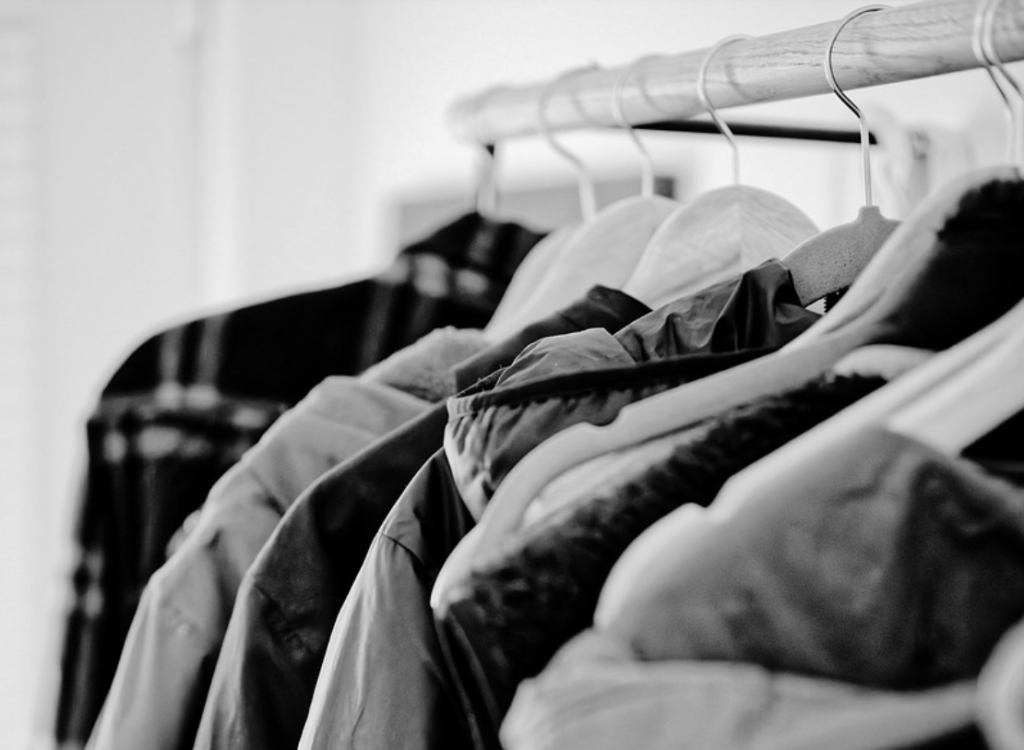
Small entryways get messy fast when coats, bags, shoes, and wet gear all land in the same spot. Coat storage works best when it gives each daily item a set home without blocking the door, hallway, or path through the space.
Start With What You Use Each Day
Do not plan storage around every coat you own. Start with the coats, bags, hats, and shoes that people use most often. Heavy winter coats, work bags, school items, and dog gear may all need a place near the door, while off-season items can move elsewhere.
Make a short list of what tends to pile up first. This will show what the entryway needs most: hanging space, a shoe tray, a shelf, or a small drawer.
Keep only daily gear near the door. Too many coats in a small entryway can make even a well-planned wall feel crowded.
Use Hooks for Fast Grab-and-Go Items
Hooks work well in tight areas because they use wall height instead of floor space. Place them where each person can reach their own hook without bumping into the door or a nearby closet.
A mix of hook heights can help. Lower hooks work for kids, while higher hooks can hold adult coats, tote bags, and hats. Avoid placing hooks so close together that thick winter coats overlap and stay damp.
Try these hook tips:
- Place hooks near the door but outside its swing path.
- Leave space between hooks for bulky coats.
- Use strong hooks secured into solid backing.
- Add one lower hook for bags or pet leashes.
Hooks work best for short-term use, not long-term coat piles. Move extra coats to a closet or bedroom once the season changes.
Build a Slim Bench and Shoe Zone
Shoes take up more room than most people expect. A shallow bench with a shelf below can give people a place to sit while they put on footwear and keep shoes from spreading across the floor.
Use a low tray under the bench for wet boots and shoes. It can catch salt, water, and dirt before they reach the floor. A bench with a lift-up lid can also hide hats, gloves, and scarves.
Choose a bench that does not make the entry feel tight. If a bench blocks the main path, a wall-mounted shelf with a small shoe tray below may work better.
A clear floor makes a small entryway feel much larger. Keep only the shoes needed that day in the entryway and store the rest in a closet or nearby room.
Add Shelves Above the Hanging Area
The wall space above hooks or a hanging rod often goes unused. A shelf near the ceiling can hold bins for gloves, hats, scarves, and off-season items. This keeps small pieces from ending up on the bench, floor, or nearest counter.
Use labelled bins so each family member has an easy place for their things. Open baskets work well for items you reach for often, while closed bins can keep less-used gear out of sight.
High shelves turn empty wall space into useful storage. Keep heavy items low and save top shelves for light, less-used gear.
Turn a Shallow Closet Into an Entry System
A small entry closet can be more useful when it has a mix of hanging, shelves, and drawers. One rod and one shelf often leave a lot of open space unused. A custom closet organizer can add double hanging, narrow shelves, wire baskets, and drawers to fit the things that collect near the door.
Short jackets and kids’ coats may fit on a lower rod, while a top rod can hold adult coats. Shelves can hold folded scarves, hats, and bags. Wire baskets can keep gloves and smaller items in one place.
A good entry closet may include:
- A high rod for long coats
- A low rod for kids’ jackets
- Adjustable shelves for bins
- A shoe shelf or boot tray
- Small baskets for hats and gloves
A well-planned closet can replace a crowded coat rack. It keeps the entryway looking calm while keeping daily gear within easy reach.
Use Doors That Save Floor Space
Swing doors need room to open. In a tight entryway, that can make it hard to use the closet and pass through the hall at the same time. Sliding closet doors can free up that swing space and give you access without blocking the room.
Mirror sliding doors can also reflect light and make a narrow hall seem more open. For wide closet openings, a triple-track setup may help you reach more of the storage space without moving panels back and forth.
Before choosing a door, measure the clear walking path and check where people stand to take off boots or hang coats. The right door should help the room flow, not create a new bottleneck.
Keystone Home Products offers closet organizers with wood shelving, wire shelving, drawers, baskets, and hanging options for tight spaces. Read more about its closet organizer options and explore sliding closet door styles that can help save floor space.
If your entryway feels crowded each morning, contact Keystone Home Products for a storage plan that fits the way your household gets in and out. The team can help you combine shelves, rods, baskets, closet organizers, and sliding doors into one practical system. A better setup can keep coats, boots, and bags close at hand without taking over the whole hall. Talk with Keystone Home Products about coat storage that makes your entryway easier to use every day.