• Home
  • About Us
  • Warranty
  • Gallery
    • Mirror Doors and Walls Gallery
    • Aluminum Dividers Gallery
    • Shower Doors & Enclosures
    • Sliding Tub Doors Gallery
  • Blog
  • Contact Us
  • Privacy Policy

Keystone Home Products

Aluminum sliding dividers, closet organizers, frameless shower doors, closet doors, sliding doors, mirror walls, shower doors & enclosures in Toronto, Brampton, Mississauga

  • Glass & Mirror
  • Mirror Doors & Walls
  • Panel Doors
  • Aluminum Dividers
  • Glass Shower Doors
    • Shower Doors
    • Shower Enclosures
  • Wood Shelving
    • Closet Organizers
  • Wire Shelving
  • Privacy Policy
  • Frameless Shower Doors
  • Closet Organizers

Can Your Closet Finally Swallow All Those Bulky Jackets?

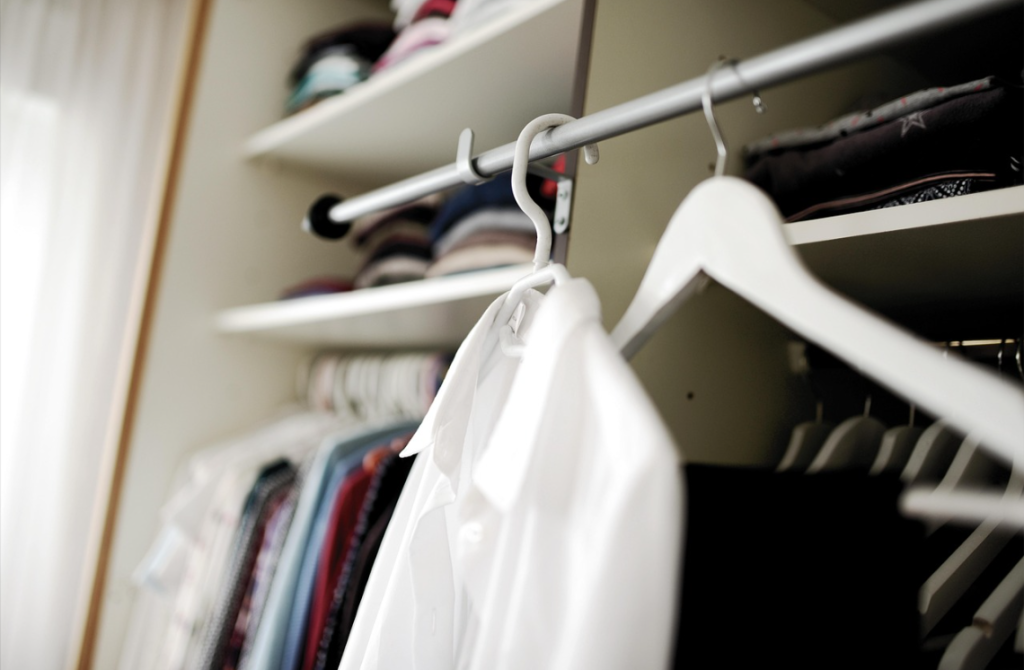
messy closet

Toronto seasons demand real gear: parkas, rain shells, fall coats, and all the extras that come with them. closet systems make the difference between a jammed front hall and an entry that feels calm even on the busiest days. With the right setup from Keystone Home Products, your closet can finally handle those bulky jackets instead of fighting them.

Why Bulky Coats Beat Basic Rods

One long rod with a shallow shelf above works until full‑length winter coats arrive. Thick fabrics crowd hangers, sleeves tangle, and hangers slide into one tight clump. The more you cram in, the harder it is to find anything, and coats start slipping to the floor.

Double Up On Hanging Where It Makes Sense

Not every coat needs the full height. Short jackets and kids’ gear fit well on a lower rod, leaving the upper rod for longer pieces. Splitting hanging space this way stops coats from piling on top of each other and gives each family member a clearer zone.

Give Coats Breathing Room

Bulky outerwear needs a bit of space between hangers to dry and stay neat. Narrow spacing and over‑stuffed rods trap moisture from wet days and encourage wrinkles. Strong closet systems space rods and supports so weight is spread evenly and heavy jackets do not drag the whole rod down.

Add Real Storage For The Extras

Jack­ets rarely travel alone. Scarves, hats, mitts, bags, and umbrellas all add to the entry clutter. Drawers, baskets, and hooks built into a closet system hold these small items where they belong, instead of letting them pile on the floor or get lost in random bins.

Use Vertical Space For Off‑Season Gear

Top shelves often go underused. Deep, sturdy shelves above the main rods can hold off‑season coats and backup bedding in labeled bins. When warm weather comes, heavy winter pieces move up out of the way, leaving prime space free for lighter jackets and rain gear.

Keep Floors Clear And Easy To Clean

Shoes and boots spread across the floor block the bottom of the closet and make it harder to hang coats. Shoe shelves or angled racks built into the system lift pairs off the floor and keep wet soles contained. A clear floor means you can step in to reach hangers without kicking through a heap of footwear.

Why Keystone Closet Systems Change Daily Life

A custom system treats your closet like a small room with a job, not just a box with a rod. Keystone Home Products designs and installs closet organizers, sliding doors, and storage systems sized for real Toronto homes and their mix of bulky jackets and everyday wear.

Install a closet system that finally swallows those coats instead of letting them spill into the hall.

11 Shelf Mistakes Making Your Garage Quietly Hazardous

full garage shelf

Garage storage should make life easier, not risky. shelf stability turns into a real worry when flimsy racks, bad anchors, and random loads fill the space. A few smart changes—and stronger gear from Keystone Home Products—can turn a shaky garage into a safer, calmer setup before summer projects start.

1. Using Shelves Never Meant For Garage Loads

Lightweight, bargain racks may hold paint cans for a while, but heavy bins, tools, and car parts push them past their limit. When posts bow or cross‑braces rattle, the whole unit can twist under a sudden bump. For real loads, you need shelving built for dense items, not just light decor.

2. Ignoring Wall Anchors

Freestanding shelves that only “lean a bit” against the wall can tip if someone pulls a bin or a child tries to climb. Units should anchor into studs, not just drywall, so a bump or mild shake does not send everything forward. One or two firm ties at the top often make the difference between safe and scary.

3. Overloading The Top Levels

Heavy boxes on the highest shelves make units top‑heavy and increase tip risk. Dense items belong low, where weight adds stability instead of strain. Light, bulky items—like empty coolers or spare cushions—fit better up high, where they add volume but not much stress.

4. Mixing Random Shelf Depths And Heights

A patchwork of different depths and heights can create hidden hazards. Short shelves tucked behind deeper ones invite awkward reaches and twisted lifting. A planned system with clear lines and consistent spacing makes it easier to see and handle items without risky stretches.

5. Letting Rust And Wear Slide

Metal shelving in garages faces damp floors, road salt, and humidity. Rust at feet, bolts, and braces weakens key points even if the unit still “looks fine” from a distance. Once you see flaking metal or loose joints, it is time to repair or replace, not just tighten another screw.

6. Blocking Doors, Panels, And Outlets

Shelves squeezed tight to doors, breaker panels, or outlets push you to move around them awkwardly. In an emergency or busy moment, that layout can cause trips, bumps, or blocked access to shutoffs. Storage should frame those points, not sit right in front of them.

7. Storing Chemicals Over Head Height

Paint, fuel, and cleaners stored high above eye level create spill risk if a container slips. Any leak from up top runs over other items and can drip toward people standing below. Keep those containers at chest height or lower, in sturdy sections that can handle their weight.

8. Skipping Proper Weight Ratings

Guessing how much a shelf can hold is a quiet gamble. Without clear ratings, it is easy to stack just a bit too much each season. Over time, all those “little extras” add up and push units beyond safe limits.

9. Crowding Walk Paths

Shelves that jut into narrow walkways force side‑steps and sideways lifts. When arms are full, that awkward shuffle can lead to trips, bumps, and dropped items. Storage should respect clear paths from the door to the car, tools, and yard access points.

10. Using “Temporary” Fixes For Years

Stacked crates, old bookcases, and makeshift boards across boxes often linger far longer than planned. These quick fixes shift, crack, and sag under garage loads. If a “temporary” shelf is still there after one season, it is time to upgrade to something designed for the job.

11. Not Matching Shelving To Real Use

The biggest mistake is building storage for “some stuff” instead of how you actually live. Bikes, sports gear, bulk supplies, and tools each need different kinds of support. A mix of strong wall shelving, enclosed storage, and specialty racks usually serves a busy garage better than one generic unit.

Stabilize Your Garage With Keystone Home Products

If your garage shelves look bent, crowded, or improvised, they are quietly asking for an upgrade. Keystone Home Products offers sturdy closet and home organizers, shelving, and sliding door systems that can be planned to suit real loads and layouts. Talk with Keystone about stable, high‑quality shelving and other storage solutions that make your garage safer and far easier to use this year.

9 Closet Hacks Toronto Families Adore

storage hacks

Busy homes juggle coats, school gear, and work wear in tight spaces. wardrobe storage turns from pain point to bright spot when closets match real family life. These nine hacks help Toronto homes stay tidy from winter 2026 into the next season.

1. Double Up Hanging Space

Most reach‑ins start with one high rod that wastes lower wall space. Add a second rod below for shirts and pants to almost double hanging room, keeping long pieces to one side. Kids’ closets benefit too, since lower rods put daily outfits within easy reach.

2. Use Adjustable Shelving

Fixed shelves lock you into one layout even as needs change. Adjustable systems let you shift heights as kids grow or seasons change, so boots, boxes, and folded stacks always fit. That flex keeps your closet useful instead of cramped over time.

3. Add Drawers Behind Doors

Built‑in drawers turn closet space into a mini dresser. Deep drawers hold sweaters, tees, or sports wear that would otherwise pile up on shelves. Soft‑close slides and good handles make daily use smooth and cut morning clutter on bedroom floors.

4. Claim The Vertical Space

Many Toronto closets stop storage a foot or more below the ceiling. Add an extra shelf up high for luggage, out‑of‑season coats, or spare bedding to free lower space. Use labeled bins so those top spots stay useful, not just dusty.

5. Zone By Person Or Purpose

Shared closets work best when each user has a clear zone. Group items by person, work versus play, or weekday versus weekend wear so you can grab what you need fast. Simple labels on shelves and bins keep the plan easy to follow for the whole family.

6. Put Doors To Work

Sliding or mirrored doors from a custom supplier can open up floor space and add function. Mirror panels help with outfit checks without taking up wall room elsewhere, and smooth glides avoid door swings into tight halls. That extra bit of room makes daily use calmer in condos and narrow entries.

7. Upgrade Lighting Inside

A dark closet hides good storage and breeds clutter. Slim LED strips or a bright overhead light help you see colour, sizes, and labels at a glance. With better light, you spend less time hunting and more time actually getting out the door.

8. Rotate Seasonally Without Chaos

Toronto’s mix of deep winter and humid summer makes full time wardrobes tricky. Store off‑season items in labeled bins on high shelves and shift them twice a year. Keeping only current pieces at eye level keeps rods slimmer and choices clearer on busy mornings.

9. Go Custom Where It Counts

Some closets need more than quick tweaks. Custom organizers can blend hanging, shelving, drawers, and accessories like belt hooks and shoe racks into one tidy system. A well planned layout often feels larger without moving a single wall.

Refresh Your Closets With Keystone

If your closets still feel jammed after trying the basics, layout may be the real block. Keystone Home Products offers custom closet organizers, sliding doors, and mirror systems for Toronto and GTA homes, tailored to real wardrobe storage needs. Reach out to their team to design closet upgrades that your family will use and appreciate every day.

Why Shelves Fail Under Seasonal Storage Pressure

seasonal winter storage

Toronto closets see their toughest test as seasons swing. shelf safety often slips when heavy winter gear and bulk buys crowd into weak spots. A few smart design moves can stop sagging boards and sudden crashes before they start.

Hidden Weight That Adds Up

Shelves rarely fail from one big item alone. The real strain comes from layers of coats, bins, spare bedding, and boxes stacked over many months. Each extra piece seems light, yet the total load can push past what basic boards and brackets were built to hold, especially in older reach‑ins.

Weak Spots In Typical Closets

Many builder closets rely on a single long shelf with a rod below, tied into drywall with only a few clips. Long spans with no center support tend to bow first, then crack or pull anchors out of the wall. Wire shelves can bend or pop loose if wall clips miss studs or if heavy bins sit near the front edge instead of close to the wall.

How Seasons Stress Your Storage

Winter coats, boots, and blankets are bulky and dense, so they load shelves more than light summer wear. In early Spring 2026, many Toronto homes still keep both sets of clothes on hand, which doubles up pressure on top racks. Humidity swings can also swell wood slightly, loosening old screws and making supports more likely to shift when weight jumps.

Design Shelves For Real Loads

Safe shelves start with real numbers, not guesses. Shorter spans, deeper boards, and sturdy wall brackets anchored into studs give each level better strength. Mixing hanging zones with drawers and baskets moves some weight off upper shelves, so they hold only folded items instead of overloaded bins.

Organize Weight From Bottom To Top

How you place items matters as much as the hardware. Heavy cases, bins, and spare bedding belong on the floor or lowest shelves, with mid weight piles in the center and light items higher up. Even spread from left to right helps keep rods and shelves from twisting, so nothing leans or flexes when doors slide or swing.

Smart Upgrades For 2026

As you sort closets this year, treat any bowed, cracked, or wobbly shelves as a sign to upgrade. Custom systems with proper supports, adjustable shelves, and well planned hanging can turn a risky wall into a tidy, safe storage zone. Sliding doors and mirrored panels can also free space in front of closets, which helps you reach items without tugging down front loaded shelves.

Build Safer Shelves With Keystone Home Products

If your closets feel packed and flimsy, it may be time for more than new bins. Keystone Home Products designs and installs closet organizers, sliding doors, and shelving systems across Toronto and the GTA, sized for real seasonal loads.

Connect with their team to plan a setup that keeps shelf safety front and center while giving your family the storage breathing room it needs all year.

Closet Cramping Winter Coats? Conquer the Chaos!

winter wardrobe storage

As temperatures dip, closets fill up with coats, scarves, boots, and everything else that fights the chill. Thoughtful winter wardrobe storage solutions help you reclaim order without sacrificing access or style. With a bit of planning, even small closets can function efficiently through the longest cold season.

Many people simply cram more hangers onto the rod and wedge boots into any remaining corner. Strategic winter wardrobe storage solutions focus on zoning, vertical space, and the right mix of hanging, shelving, and containers. When each item has a defined home, mornings become less frantic and entryways feel more welcoming.

Start by Editing What You Own

Before you buy a single organizer, review what actually deserves space. Offload worn-out items, duplicates, or pieces that no longer fit your current lifestyle. Donating usable coats and accessories makes room for garments you genuinely wear.

Separating daily essentials from occasional pieces also helps define how much prime real estate you need near the door. Items reserved for special events can move to deeper or higher storage positions, opening space for everyday gear.

Use Vertical Space Intelligently

Most closets waste usable height above the main hanging rod. Adding an upper shelf or a second hanging level for shorter items like jackets doubles capacity in many cases. Sturdy wall-mounted shelves with appropriate anchors keep bins of hats, gloves, and scarves within reach but out of the way.

Behind-the-door organizers, slim hooks, and wall-mounted racks extend storage without expanding the footprint. These additions work especially well for accessories that do not need full hanger space.

Protect Coats and Fabrics from Winter Conditions

Road salt, slush, and moisture can shorten the life of outerwear if they migrate into the closet. Placing absorbent mats or boot trays at the entrance keeps wet footwear from soaking into flooring and nearby fabrics. Allowing coats to dry fully on hooks or open racks before returning them to a crowded closet reduces odors and fabric wear.

Using breathable garment bags for dress coats and specialty pieces protects them from dust while still allowing air circulation. Overly tight plastic coverings can trap moisture and encourage mildew in colder spaces.

Divide Storage by Users and Zones

Shared closets often become chaotic because no one knows where items belong. Establishing zones—by family member, activity, or garment type—helps maintain order. Each person can have a dedicated section of rod space, shelf, and bin so they can put items away quickly.

Labeling shelves and containers with simple tags or clips reduces confusion, especially for kids or guests. Clear expectations about where things live make it easier for everyone to keep the system working through busy weeks.

Off-Season Rotation Keeps Things Manageable

Rotating clothes with the seasons frees up space in prime locations. At the end of winter, clean and dry heavier coats and store them in sealed bins or breathable bags in a less accessible area. This opens front-and-center space for spring and summer wardrobes.

When next winter approaches, you can swap items back in at once instead of gradually filling every available nook. This reset also gives you a regular chance to review what still fits, what needs repair, and what should be replaced.

If you are ready to transform cramped, cluttered closets into efficient cold-weather hubs, contact our team for personalized storage planning, product selection, and professional installation that fits your home.

Shelving Secrets: Load-Bearing Winter Upgrades 2026

winter shelf weight limits

When cold weather arrives, shelves often shoulder extra work holding bins, tools, and bulky seasonal gear. Knowing how to manage winter shelf weight limits keeps your storage safe, stable, and efficient. Strong shelving prevents sudden collapses that damage belongings and create safety hazards.

Homeowners sometimes assume any sturdy-looking bracket can handle whatever they pile on top. Misjudging winter shelf weight limits can overload supports and fasteners, especially when heavy gear and dehumidified air change how materials behave. A more deliberate approach to design, installation, and loading gives you safer storage for the entire season.

Understanding How Shelf Ratings Work

Shelving components—brackets, standards, and boards—often have rated capacities per pair or per linear foot when installed correctly into solid backing. These ratings assume the load is evenly distributed and the shelf is properly anchored into studs or masonry, not just drywall. Concentrated weight in one area can exceed these ratings even if the total load seems within limits.

In garages, basements, and utility spaces, temperature and humidity swings can influence metal and wood components. Corrosion on fasteners or brackets and minor warping of boards may reduce real-world capacity compared with initial ratings if systems are not maintained.

Material Choices for Winter Storage

Metal adjustable systems and high-quality plywood shelves often perform better under heavy seasonal loads than low-grade particleboard. Particleboard is more prone to sagging or crumbling if exposed to moisture or high humidity over time. Sealing edges and surfaces adds resilience in spaces that experience condensation or minor leaks.

Where heavy bins or tools are involved, thicker shelving and additional brackets reduce span and deflection. Using continuous wall standards instead of single-point brackets provides better load distribution and easier future reconfiguration.

Anchoring into the Right Structure

The strongest shelf materials still fail if fastened only into drywall or deteriorated framing. Locating studs accurately and using appropriate screws, anchors, or masonry fasteners ensures that loads transfer safely into the structure. For masonry walls, sleeve anchors or expansion bolts rated for the intended load are critical.

In older buildings, verifying wall condition matters as much as hardware choice. Crumbling mortar joints or rotten sill plates can compromise the anchor points. A quick inspection before loading heavy items can prevent sudden surprises later.

Smart Loading Practices for Bulky Winter Gear

How you place items on shelves influences both safety and convenience. Heavier items belong on lower shelves to lower the center of gravity and reduce tipping risk. Lighter, less frequently used objects can occupy higher positions. Even distribution helps avoid excessive bending in any single section.

Transparent bins with labels make it easier to locate items without repeated handling. This organization reduces the urge to stack heavy containers precariously or beyond the designed capacity of a shelf section. Adjusting layouts once a year helps keep systems aligned with current needs.

When to Upgrade or Replace Shelving

Visible sagging, loose brackets, or rusted fasteners show that a shelving system may no longer be reliable under winter loads. Replacing aging components with higher-rated systems, reinforcing key spans, or adding vertical supports can restore safety margins.

For large collections of seasonal equipment or inventory, a professional evaluation can determine whether industrial-grade racking is more appropriate than residential hardware. Investing in stronger storage is often less costly than replacing damaged goods or dealing with injury.

To design or upgrade shelving that can confidently support your winter load, contact our team for layout planning, product guidance, and professional installation built around your specific storage demands.

Why Do Mirror Doors Crack More In Toronto Cold?

Your mirror closet doors look fine until January. Then cracks appear. Toronto winter’s harsh temps create stress that mirror glass can’t handle. Understanding why helps you prevent costly damage.​

Why Thermal Stress Breaks Glass

Mirror glass experiences huge temp swings. Your bedroom stays at twenty degrees Celsius. Outside hits minus eighteen. That thirty-eight degree difference creates massive stress.​

Glass expands in heat and shrinks in cold. The problem? Different parts of the mirror experience temps differently. The edge hits cold faster than the center. Uneven expansion and contraction create internal stress.​

When stress builds beyond what glass can handle, it cracks. The crack usually starts at the edge where stress points exist. It races across the mirror in a meandering path.​

Standard Glass vs. Tempered Glass

Cheap mirror doors use annealed glass—basic untreated glass. This glass is more vulnerable to thermal stress. It breaks at smaller temp differences.​

Tempered glass handles thermal swings way better. It’s heated above six hundred degrees and cooled fast. This creates internal tension that strengthens it.​

Tempered glass resists cracking from temp changes. It can handle rapid swings that would shatter annealed glass.​

Most mirror closet doors use cheap annealed glass because it costs less. You pay for this when temps drop.​

Edge Damage Makes It Worse

Tiny chips in mirror edges act as stress points. These weak spots are where cracks start.​

During install, workers sometimes nick the edge. These nicks seem small—barely visible. But in winter, thermal stress finds them. The crack starts there and spreads.​

Even scratches can weaken tempered glass. Once scratched, tempered glass loses some strength.​

Installation Problems Add Risk

Improper framing creates uneven stress. If the mirror frame isn’t square, pressure builds uneven. One corner gets stressed more than others. That corner cracks first.​

Poor weatherstripping lets cold air sneak behind the mirror. Thermal shock hits the back surface. This creates additional stress.​

Installers who rush or cut corners create problems. Quality install spreads stress evenly.​

Misalignment From Cold

Metal tracks and frames contract in cold. Wooden frames warp. This misalignment stresses the mirror. The mirror can’t move with the frame.​

Repeated misalignment cycles weaken the glass. Eventually, thermal stress triggers cracking.​

Prevention Strategies

Choose tempered glass for closet mirrors. Yes, it costs more. But it survives Toronto winters. Standard glass will crack.​

Get quality installs. Pros align frames square and seal properly. Poor installs save money upfront but cost big later.​

Inspect for edge damage before buying. Ask the vendor about edge quality. Tiny chips now become big cracks in winter.​

Maintain weatherstripping. Replace worn seals. This prevents cold air from sneaking behind mirrors.​

Keep bedroom temps steady. Sudden temp drops stress glass. Gradual changes are easier on glass.​

Winter Care Steps

  • Use tempered glass, never standard glass​
  • Check weatherstripping monthly​
  • Keep bedroom door closed in cold​
  • Avoid hanging heavy items on mirror doors​
  • Don’t slam doors—impacts stress the glass​

Repair vs. Replace

Small cracks in tempered glass are tough to fix. Partial replacement is possible but costly. Most folks replace the whole mirror.​

Replacement costs two hundred to eight hundred depending on size. Pro install adds one hundred to three hundred.​

Prevent it and you dodge these bills.​

Why Toronto Is Worse Than Most Places

Toronto’s freeze-thaw cycle is brutal. Temps swing fast. Glass can’t keep up. Daily swings from minus ten to above zero create constant stress.​

Coastal areas with steady cold are actually easier on glass. Toronto’s swings are the worst.

2026 Shelving Trends Toronto Designers Swear By

white living room with custom wood shelving toronto

Toronto design is shifting toward warmer, textured looks. Custom wood shelving Toronto homes now feature moves away from stark minimalism. Designers blend natural materials with smart function.​

Rich Wood Tones Replace Light Pine

Light pine dominated for years. Now walnut, oak, and ash take over. Darker woods add warmth without feeling heavy. Rift-sawn white oak brings subtle grain that suits modern spaces.​

Reclaimed wood gains traction too. It adds texture and history to clean interiors. Each piece looks unique.​

Sustainable materials matter more. FSC-certified woods and low-VOC finishes align with green building trends.​

Floating Shelves Evolve Past Minimalism

Floating shelves stay popular but change how they’re styled. The sterile, empty look fades. Now shelves hold curated items—books, plants, art.​

Thicker shelves—one point seven-five inches or more—create visual weight. Thin shelves feel dated. Substantial wood gives shelves presence.​

Hardware stays hidden. Brackets tuck inside for a clean, seamless look. Steel brackets handle heavy loads while staying invisible.​

Built-In Shelving Returns Strong

Built-ins offer storage plus architectural interest. Toronto designers integrate shelving into walls, creating cohesive spaces.​​

Living rooms feature built-in TV walls with open shelves. Kitchens use open shelving instead of upper cabinets. Bedrooms gain built-in storage around beds.​​

Custom millwork costs more upfront—two hundred to five hundred dollars per square foot. But it adds lasting value and function.​

Mixed Materials Add Visual Interest

Wood paired with metal creates contrast. Black steel frames with walnut shelves work in industrial spaces. Brass hardware adds warmth to oak shelves.​

Glass shelves lighten spaces. Acrylic adds modern flair. But wood remains the top choice for its warmth and durability.​

Multi-height setups replace uniform rows. Staggered shelves create visual rhythm. This feels less rigid than evenly spaced shelves.​

Function Meets Style

Toronto’s small condos demand smart storage. Shelving needs to work hard. Pull-out shelves in closets maximize space. Built-in dividers organize.​

Vertical shelving uses wall height. Floor-to-ceiling units store more without eating floor space.​

Corner shelves capture dead zones. Floating corner units turn awkward spots into functional storage.​

Color Trends Favor Natural and Moody Tones

Matte black shelves create drama. Deep olive green adds richness. These saturated tones replace bright whites.​

Natural wood finishes stay top. Clear coats protect while showing grain. Shaded finishes reduce grain visibility but keep warmth.​​

White remains an option but feels less trendy. Warm neutrals like taupe or greige work better.​

Smart Integration With Technology

Hidden lighting transforms shelves. Puck lights or LED strips highlight items. Warm light suits wood better than cool white.​​

Built-in charging stations hide cords. Shelves designed with cord management keep tech tidy.​

Custom shelving fits around TVs, speakers, and gaming systems. Designers plan cable routing during install.​​

Popular Applications Around Toronto Homes

Living Rooms: TV walls with floating shelves and closed storage. Display zones for books and decor.​​

Kitchens: Open shelving replaces upper cabinets. Wood shelves soften modern kitchens.​

Home Offices: Built-in desks with shelving above. Vertical files and book storage.​

Bedrooms: Floating nightstand shelves save floor space. Built-in wardrobes with shoe shelving.​

Entries: Mudroom cubbies with bench seating. Hooks and shelves for coats and bags.​

What Toronto Designers Recommend

Quality beats quantity. Invest in fewer, well-built pieces rather than cheap mass-market options.​

Plan for weight. Heavy books and decor need strong brackets and proper wall anchors.​

Leave room to breathe. Over-styled shelves feel cluttered. Balance full and empty space.​

Mix open and closed storage. Open shelves display. Closed cabinets hide clutter.​​

Cost Guide for Custom Work

DIY floating shelves run fifty to one hundred fifty dollars depending on size and wood type. Pro install adds one hundred to three hundred.​

Custom built-ins cost two hundred to five hundred per square foot installed. A full living room wall runs three to six grand.​

Pull-out systems for closets start at five hundred for basic setups. Complex pantry systems reach two grand or more.​

Materials drive cost. Walnut and oak cost more than pine or MDF. Reclaimed wood adds premium pricing.​

The 2026 Direction

Toronto design moves toward warmer, layered spaces. Custom wood shelving Toronto projects reflect this shift—rich woods, textured finishes, and thoughtful styling replace cold minimalism.​

Function stays key. But beauty matters too. The best shelving does both.​

Spark Light Winter 2025: Pro Frameless Shower Tips

white bathroom with frameless shower glass in Toronto home

Winter mornings in Toronto feel dark and gloomy. Your bathroom should be a bright spot in those early hours. Heavy shower curtains and framed doors block light and make spaces feel closed in.

Glass changes everything. Installing frameless shower glass Toronto units now opens up your bathroom and bounces light around beautifully. Fall is the right time to book this work before contractors fill their winter schedules with indoor projects.

Glass Opens Up Tight Spaces

Small bathrooms feel cramped with bulky shower frames. Metal frames create visual barriers that chop up sight lines. Your eye stops at the frame instead of flowing through the space. Frameless glass removes those barriers completely. You see straight through to the back wall. Rooms feel twice as large without changing actual square footage.

Clear glass shows off pretty tile work too. If you’ve invested in beautiful shower tile, why hide it behind frosted plastic? Glass puts your design choices on display. Your whole bathroom looks more polished and intentional.

Thicker Glass Means Better Quality

Standard shower glass runs three-eighths inch thick. It works fine but can flex slightly. Half-inch glass feels more solid and substantial. It doesn’t wobble when you push it. The extra thickness costs more but the quality shows immediately.

Budget around $1,200-2,500 for quality frameless enclosures. Size matters—larger showers need more glass. Corner units cost less than three-sided enclosures. Get quotes from three installers to compare pricing and glass thickness options.

Hardware Finishes Tie Your Look Together

Frameless glass uses minimal hardware—hinges, handles, and clips. These small pieces make a big visual impact. Chrome feels clean and bright. Brushed nickel warms things up. Matte black creates modern contrast. Oil-rubbed bronze suits traditional baths.

Match your hardware finish to your faucets and towel bars. Consistent finishes throughout the bathroom look professional. Mixing finishes feels messy and unplanned. Pick one finish and stick with it everywhere.

Proper Sealing Stops Water Leaks

Glass panels need sealing where they meet walls and floors. Clear silicone works best—it’s flexible and water-resistant. Cheap caulk yellows over time and looks gross. Quality silicone stays clear for years.

Installers should seal both inside and outside seams. Water can sneak behind glass if sealing is incomplete. Ask your installer about their sealing process. Good teams take time to apply clean, even beads. Sloppy teams rush and leave gaps.

Door Swing Direction Matters

Doors can swing in or out. Think about your bathroom layout before deciding. If your toilet sits close to the shower, an inward-swinging door might hit it. Outward-swinging doors need clearance in the bathroom. Measure carefully before choosing.

Some folks prefer doors that swing both ways. Pivot hinges allow this flexibility. You can enter and exit from either direction. This works great in shared bathrooms where multiple people use the shower.

Curved Glass Fits Tricky Corners

Not all showers have straight walls. Some sit in corners or have angled layouts. Curved glass bends to fit these spaces smoothly. It costs more than straight panels but solves layout problems elegantly.

Curved glass also creates a softer look. Sharp angles feel harsh. Gentle curves feel more organic and spa-like. If your budget allows and your layout suits it, curved glass adds a nice touch.

Maintenance Keeps Glass Sparkling

Squeegee after every shower. This simple habit prevents most water spots. It takes 30 seconds and saves hours of scrubbing later. Keep a squeegee hanging inside your shower for easy access.

Use vinegar and water weekly for deeper cleaning. Spray it on, let it sit a few minutes, then wipe clean. Avoid abrasive cleaners—they scratch glass. Microfiber cloths work better than paper towels. They don’t leave lint behind.

Installation Takes One Day

Installers measure first, then order custom glass. Lead time runs 2-4 weeks typically. Installation happens in one day for most standard showers. Crews remove old doors or curtains. They mount hardware and hang glass panels. They seal everything and test for leaks.

You can usually shower the next day once silicone cures. Full cure takes 24-48 hours. Your installer will give you exact timing. Don’t rush it—let seals cure properly.

Contact Keystone Home Products Today

Call installers this week for quotes and measurements. Fall is busy for indoor projects. Book early to get your preferred timing. Most installs happen 3-5 weeks after ordering.

Your bathroom will feel completely different with frameless glass. Light bounces everywhere. Space opens up. Mornings feel brighter even in dark winter. That daily mood boost is worth every dollar spent. Make your calls today and get this upgrade started.

Transform Baths With Bold Winter Remodel Ideas

white luxury bathroom model ideas in GTA

Your bathroom sees heavy use every single day. Outdated tile makes mornings feel dull. Cramped layouts waste space. Poor lighting casts unflattering shadows. Fall is when smart folks plan their bathroom upgrades. Working with bathroom remodel ideas GTA designers now means your space gets finished before spring. Winter months are perfect for indoor work that doesn’t depend on weather. You’ll start each day in a space that actually makes you smile.

Go Big With Statement Tile

Boring white subway tile is everywhere. Stand out with bold choices instead. Large-format tiles in 12×24 or 18×18 sizes create fewer grout lines. Rooms look bigger and cleaner. Geometric patterns add visual punch without feeling busy. Hexagon floor tiles bring retro charm. Herringbone walls create movement and interest.

Color matters hugely. Deep navy creates moody elegance. Sage green feels calm and spa-like. Terracotta brings warmth. Black matte tile feels modern and dramatic. Mix two colors in patterns for custom looks. Your tile choice sets the entire room’s personality. Pick something that speaks to you.

Floating Vanities Open Up Space

Wall-mounted vanities leave floor space visible underneath. This trick makes small baths feel roomier. Cleaning becomes easier with open floor. No awkward corners to reach. Storage still happens in drawers and shelves above the counter.

Choose vanities with soft-close drawers. No more slamming sounds. Deep drawers hold towels and products better than cabinet shelves. Add organizer inserts so items don’t roll around. Your morning routine runs smoother when everything has a spot.

Upgrade Shower Experiences

Basic single-head showers feel basic. Upgrade to rain heads mounted in the ceiling. Water cascades down like natural rainfall. Add a handheld sprayer on a slide bar for flexibility. You get two spray options in one space. Body jets create spa vibes if your budget allows.

Frameless glass enclosures beat shower curtains every time. They look clean and modern. Glass makes small baths feel open. Curved glass works in tight corners. Your bathroom instantly feels more upscale with quality glass work.

Smart Storage Hides Clutter

Visible clutter ruins even beautiful baths. Built-in niches in shower walls hold shampoo and soap. No caddies hanging from heads. Medicine cabinets recessed into walls save space. Mirrored fronts serve double duty.

Toe-kick drawers use wasted space under vanities. Pull them out for extra towel storage. Tall cabinets reach toward ceilings for vertical storage. Open shelves display pretty items. Closed cabinets hide everyday stuff. Mix both types for function and style.

Lighting Layers Create Ambiance

One ceiling light creates harsh shadows. Layer multiple light sources instead. Sconces flanking mirrors eliminate face shadows. Pendant lights add style and task lighting. Recessed ceiling lights provide overall brightness. Dimmer switches let you adjust mood from bright to relaxing.

Hardware Details Polish The Look

Cabinet pulls and towel bars might seem minor. They’re not. Mismatched finishes cheapen spaces. Choose one finish and stick with it throughout. Matte black feels modern. Brushed gold feels warm. Chrome feels clean and classic. Brushed nickel splits the difference.

Quality hardware feels substantial in your hand. Cheap stuff feels light and flimsy. Spend a bit more here. These pieces get touched daily. You’ll notice the difference every single time.

Plan Your Remodel Now and Visit Keystone Home Products

Gather photos of baths you love. Notice what draws you—colors, fixtures, layouts. Share these with designers. They’ll understand your vision faster. Get three quotes from local remodel teams. Compare scope, materials, and timelines carefully.

Book work for late October through winter. Indoor projects avoid weather delays. Crews focus fully on your space. By spring, you’ll have a bathroom that feels like a retreat. Start making calls this week. Your dream bath is closer than you think.


Contact Us

Return to top of page

Copyright © 2026 · Keystone Home Products Ltd. · Web design by Indexmedia