
• Home
  • About Us
  • Warranty
  • Gallery
    • Mirror Doors and Walls Gallery
    • Aluminum Dividers Gallery
    • Shower Doors & Enclosures
    • Sliding Tub Doors Gallery
  • Blog
  • Contact Us
  • Privacy Policy

Keystone Home Products

Aluminum sliding dividers, closet organizers, frameless shower doors, closet doors, sliding doors, mirror walls, shower doors & enclosures in Toronto, Brampton, Mississauga

  • Glass & Mirror
  • Mirror Doors & Walls
  • Panel Doors
  • Aluminum Dividers
  • Glass Shower Doors
    • Shower Doors
    • Shower Enclosures
  • Wood Shelving
    • Closet Organizers
  • Wire Shelving
  • Privacy Policy
  • Frameless Shower Doors
  • Closet Organizers

Mirrored Closet Doors: Upgrade Your Home In One Weekend

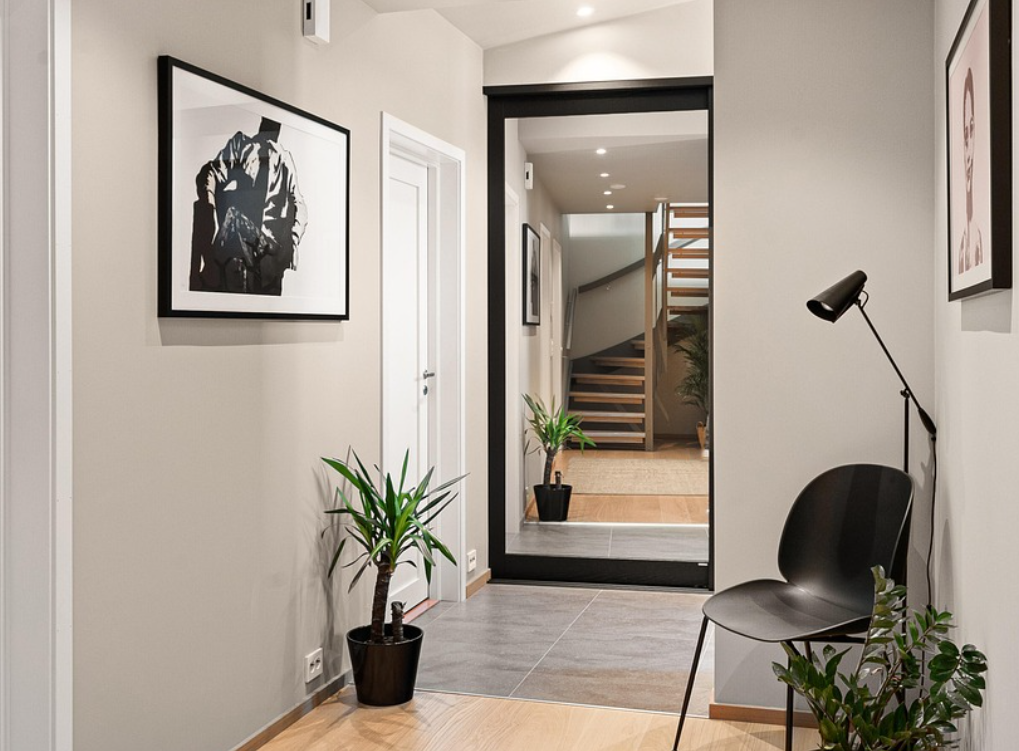
mirror hallway

Swapping old closet doors for mirrored ones is one of the fastest ways to upgrade a Toronto home. In a single weekend, you can add full‑length mirrors, brighten a room, and make small spaces feel larger without changing any walls. For bedrooms, hallways, and entry closets, mirror doors deliver both style and function with surprisingly little disruption.

How Mirrored Doors Change A Room

Mirrored closet doors do more than provide a place to check your outfit. They:

  • Reflect natural and artificial light, making rooms feel brighter.
  • Create a sense of extra depth in small bedrooms and condos.
  • Reduce the need for separate standing mirrors that take up floor space.

In Toronto homes where square footage is tight, this extra visual space and light makes rooms feel less cramped and more comfortable.

Style Options That Work With Existing Décor

Modern mirror closet doors come in several styles, so you can match them to the rest of your home:

  • Framed sliding doors
    Slim metal or wood frames around the mirror panels give a clean, contemporary look and work well in bedrooms and hallways.
  • Frameless or minimal frame doors
    Nearly edge‑to‑edge glass creates a sleek, modern feel that suits condos and renovated spaces.
  • Panelled or divided mirrors
    Subtle horizontal or vertical divisions can echo window patterns or add visual interest without feeling busy.

Choosing the right frame color also helps tie doors into existing trim, flooring, and hardware.

Practical Benefits For Everyday Use

Beyond appearance, mirrored closet doors add everyday convenience:

  • Full‑length viewing for clothing and shoes without adding extra furniture.
  • Easy cleaning compared to textured or heavily detailed doors.
  • Sliding options that save floor space where swinging doors get in the way.

They are especially useful in narrow rooms, where door swings and free‑standing mirrors would make layout more awkward.

A Weekend‑Scale Upgrade

Replacing closet doors is usually a short, contained project:

  • Old hollow core or dated panel doors are removed.
  • Tracks or hinges are updated as needed for the new mirror units.
  • New doors are installed and adjusted for smooth operation.

Most homeowners can fit this work into a weekend window, making it a realistic upgrade even in busy households.

Why Work With Keystone Home Products

To get mirror doors that feel solid and safe, it is important to choose quality glass and hardware and have everything measured correctly. Keystone Home Products can size mirror closet doors to your openings, recommend frame styles that suit your rooms, and install them so they slide or swing smoothly. For Toronto homeowners who want a noticeable improvement without a full renovation, mirror closet doors are an ideal “one weekend” project.
How Do I Choose The Right Mirror Door?

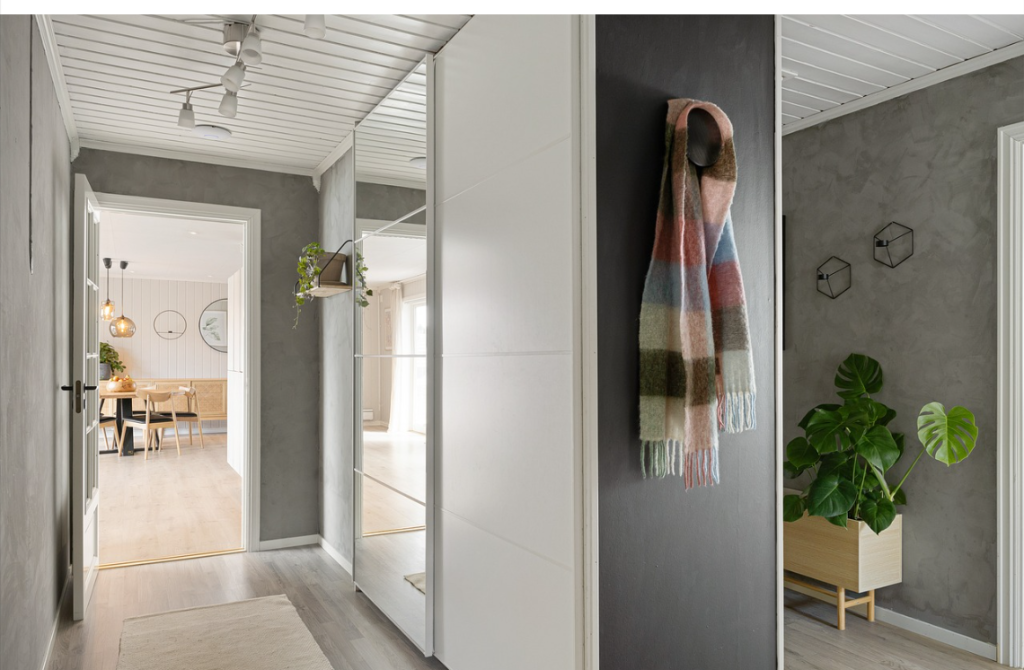
room with mirror doors

Choosing the right mirror door is about more than just “mirror or no mirror.” For most Keystone customers, the best choice balances style, privacy, light, and how the door will actually function day to day.

Step 1: Decide Where The Mirror Door Will Go

Start with the room and how you use it. A bedroom, front entry, hallway, or closet each has different needs.

  • Bedrooms and closets: Full‑length mirrored sliding doors are great for getting dressed and making a smaller room feel larger.
  • Hallways and entries: Mirrored doors can bounce light and make tight spaces feel brighter, but you may want a more subtle or framed look for style.

Ask yourself: do you want a statement feature, or something that quietly blends in while adding function?

Step 2: Pick The Door Type (Sliding, Bifold, Or Hinge)

Different door types change both look and practicality.

  • Sliding mirror doors: Ideal for closets and tighter rooms where swinging doors would hit furniture; they give a clean, modern look and wide mirrored surface.
  • Bifold mirror doors: Good when you need more access to the opening at once and still want mirrors, often used in reach‑in closets.
  • Hinged mirror doors: Feel more like traditional doors and can suit walk‑in closets or entries where you want a furniture‑style appearance.

Think about how much clearance you have and how often you need full access to the space behind the door.

Step 3: Choose Mirror Style And Frame

Mirror doors can look sleek and minimal or more decorative, depending on the frame.

  • Frameless or minimal frame: Very modern and clean, great for contemporary interiors and smaller spaces where you want the mirror to visually “disappear.”
  • Slim aluminium or steel frames: Durable, neat, and available in various finishes to match hardware or trim.
  • Wider or decorative frames: Better if you want the doors to read like a design feature or piece of furniture.

Also consider mirror tint and finish:

  • Clear mirror: Maximum brightness and truest reflection.
  • Bronze or grey tint: Softer, moodier look and slightly more forgiving of fingerprints and smudges.
  • Safety/backing: Look for safety‑backed glass so the mirror is secure even if the door is bumped.

Step 4: Match The Mirror Door To Your Room Style

Your mirror door should work with the rest of the room, not fight it.

  • Modern/minimal homes: Large clear panels, slim metal frames, and sliding systems tend to fit best.
  • Transitional or classic spaces: Framed mirror doors, possible panel details, or pairing mirrors with matching trim work well.
  • Small or dark rooms: Larger mirror surfaces help bounce light and visually open the space.

Think about finishes that echo your existing hardware, flooring tone, or window frames so everything feels cohesive.

Step 5: Consider Practical Details (Cleaning, Privacy, And Wear)

Mirror doors are functional surfaces, so small details matter:

  • Fingerprints and smudges: If you have kids or pets, think about where hands will naturally touch and whether you want handles or pulls positioned to keep prints off the main viewing area.
  • Privacy: In bedrooms and shared spaces, consider what the mirror will reflect—beds, windows, or other doors—and whether you’re comfortable with that.
  • Durability: Look for quality tracks, rollers, and hardware so the doors glide smoothly and don’t rattle or stick over time.

A well‑built system feels solid and easy to use every day, which makes the mirror door feel like a real upgrade instead of a compromise.

Step 6: Why Work With Keystone Home Products

Mirror doors are both glass and moving hardware, so professional measuring and installation make a big difference. Keystone Home Products can:

  • Measure your space precisely so the doors fit smoothly and safely.
  • Help you compare sliding, bifold, and hinged mirror options based on your actual room layout and furniture.
  • Match frame styles and finishes to your existing décor, so the doors feel like part of a custom design rather than an add‑on.

If you’re unsure where to start, Keystone can walk you through mirror sizes, frame choices, and door systems in person, then install a solution that works beautifully in your everyday life.

Why Do Mirror Doors Crack More In Toronto Cold?

Your mirror closet doors look fine until January. Then cracks appear. Toronto winter’s harsh temps create stress that mirror glass can’t handle. Understanding why helps you prevent costly damage.​

Why Thermal Stress Breaks Glass

Mirror glass experiences huge temp swings. Your bedroom stays at twenty degrees Celsius. Outside hits minus eighteen. That thirty-eight degree difference creates massive stress.​

Glass expands in heat and shrinks in cold. The problem? Different parts of the mirror experience temps differently. The edge hits cold faster than the center. Uneven expansion and contraction create internal stress.​

When stress builds beyond what glass can handle, it cracks. The crack usually starts at the edge where stress points exist. It races across the mirror in a meandering path.​

Standard Glass vs. Tempered Glass

Cheap mirror doors use annealed glass—basic untreated glass. This glass is more vulnerable to thermal stress. It breaks at smaller temp differences.​

Tempered glass handles thermal swings way better. It’s heated above six hundred degrees and cooled fast. This creates internal tension that strengthens it.​

Tempered glass resists cracking from temp changes. It can handle rapid swings that would shatter annealed glass.​

Most mirror closet doors use cheap annealed glass because it costs less. You pay for this when temps drop.​

Edge Damage Makes It Worse

Tiny chips in mirror edges act as stress points. These weak spots are where cracks start.​

During install, workers sometimes nick the edge. These nicks seem small—barely visible. But in winter, thermal stress finds them. The crack starts there and spreads.​

Even scratches can weaken tempered glass. Once scratched, tempered glass loses some strength.​

Installation Problems Add Risk

Improper framing creates uneven stress. If the mirror frame isn’t square, pressure builds uneven. One corner gets stressed more than others. That corner cracks first.​

Poor weatherstripping lets cold air sneak behind the mirror. Thermal shock hits the back surface. This creates additional stress.​

Installers who rush or cut corners create problems. Quality install spreads stress evenly.​

Misalignment From Cold

Metal tracks and frames contract in cold. Wooden frames warp. This misalignment stresses the mirror. The mirror can’t move with the frame.​

Repeated misalignment cycles weaken the glass. Eventually, thermal stress triggers cracking.​

Prevention Strategies

Choose tempered glass for closet mirrors. Yes, it costs more. But it survives Toronto winters. Standard glass will crack.​

Get quality installs. Pros align frames square and seal properly. Poor installs save money upfront but cost big later.​

Inspect for edge damage before buying. Ask the vendor about edge quality. Tiny chips now become big cracks in winter.​

Maintain weatherstripping. Replace worn seals. This prevents cold air from sneaking behind mirrors.​

Keep bedroom temps steady. Sudden temp drops stress glass. Gradual changes are easier on glass.​

Winter Care Steps

  • Use tempered glass, never standard glass​
  • Check weatherstripping monthly​
  • Keep bedroom door closed in cold​
  • Avoid hanging heavy items on mirror doors​
  • Don’t slam doors—impacts stress the glass​

Repair vs. Replace

Small cracks in tempered glass are tough to fix. Partial replacement is possible but costly. Most folks replace the whole mirror.​

Replacement costs two hundred to eight hundred depending on size. Pro install adds one hundred to three hundred.​

Prevent it and you dodge these bills.​

Why Toronto Is Worse Than Most Places

Toronto’s freeze-thaw cycle is brutal. Temps swing fast. Glass can’t keep up. Daily swings from minus ten to above zero create constant stress.​

Coastal areas with steady cold are actually easier on glass. Toronto’s swings are the worst.

Contact Us

Return to top of page

Copyright © 2026 · Keystone Home Products Ltd. · Web design by Indexmedia